Commercial Heat Pump Installation, Engineered to Deliver
MCS-certified commercial heat pump installers. We own the whole chain, heat-loss survey, flow-temperature design, DNO capacity, acoustic sign-off, phased cutover and witnessed commissioning, so the system holds temperature when it matters.
- MCS Certified
- MCS 025
- F-Gas
- BS EN 14825
- BS 4142
ACCREDITED & COMPLIANT FOR UK COMMERCIAL HEAT-PUMP WORK


The kit is easy. Delivering heat on the coldest day is the engineering
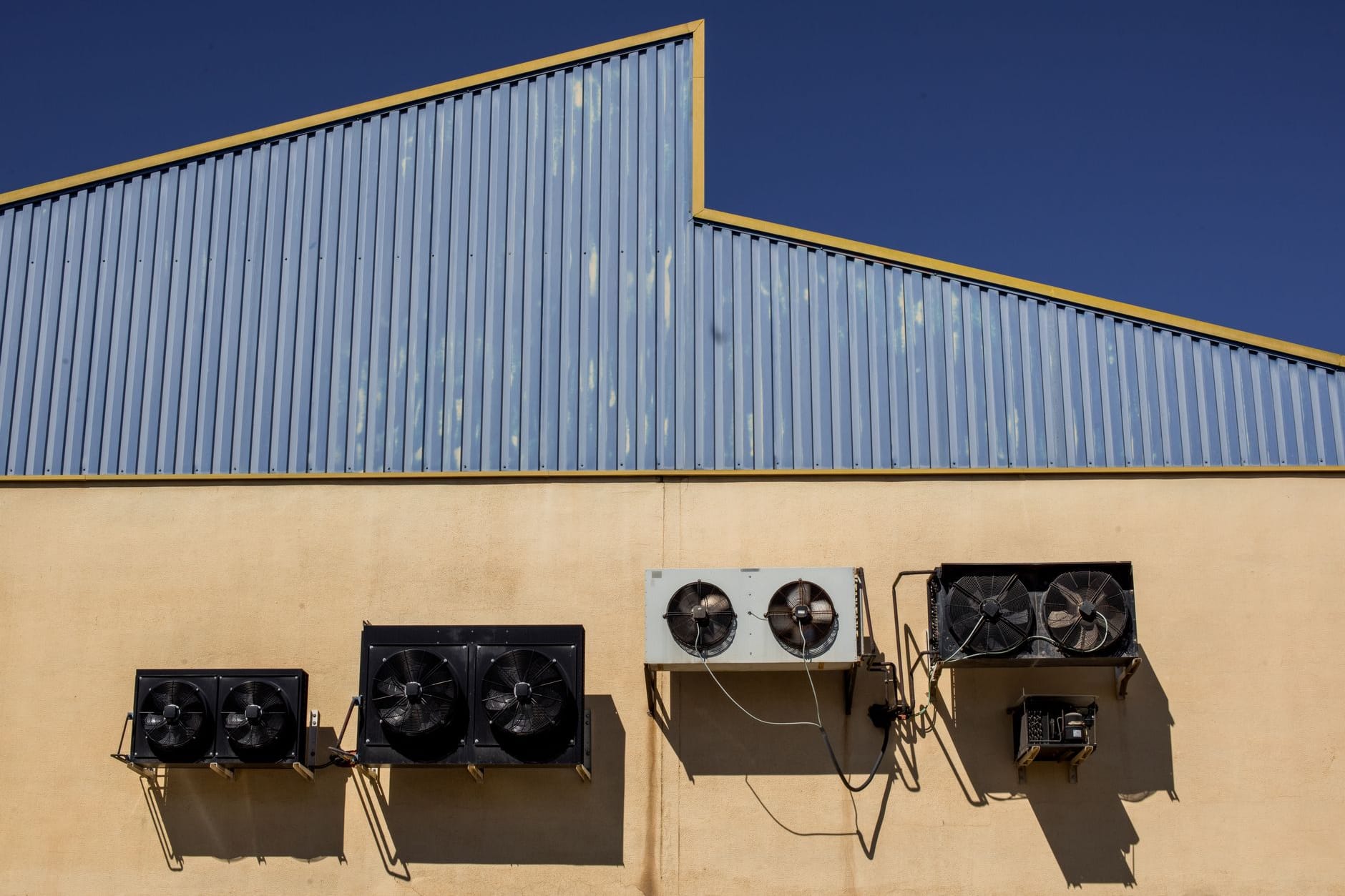
A commercial heat pump installation is an engineering project first and a product purchase second. The kit is the easy part; what separates a system that holds temperature through a January cold snap from one that trips to backup and burns gas anyway is the delivery. That starts with a proper heat-loss survey and at least twelve months of consumption data, runs through flow-temperature design and emitter compatibility, the electrical supply capacity the added load needs from the DNO, the acoustic assessment (BS 4142) and any planning consent for external plant, and a phased changeover that never leaves the building without heat. We install air-source, ground-source, water-source, hybrid and high-temperature systems across UK commercial and public-sector buildings, and we own the whole chain, survey to witnessed commissioning, rather than dropping off a heat pump and leaving the design risk with you. The £7,500 Boiler Upgrade Scheme is domestic-only, so commercial buildings need a different funding playbook, and that too is part of getting the install delivered rather than stalled.
- We size every system from a heat-loss survey and twelve months of consumption data, so it holds temperature on the coldest day, not just on the spec sheet.
- We survey your emitters before we design, so you don't pay for a strip-out you don't need, and you're never surprised mid-install.
- We check the DNO supply capacity at survey and start any upgrade at feasibility, because the grid, not the heat pump, is usually the longest-lead item.
- We produce the BS 4142 acoustic assessment and confirm planning before the plant is ordered, so a noise complaint never surfaces after commissioning.
The install runs on four gates: survey, flow temperature, supply, commissioning
From heat-loss survey to witnessed commissioning
One accountable installer across survey, flow-temperature design, DNO capacity, acoustic and planning, phased install and testing.
- 01Week 1-2
Heat-loss survey & data
We carry out a heat-loss survey and review at least twelve months of gas or oil consumption, so the system is sized from real load rather than a rule of thumb.
- 02Week 2-6
Design, emitters & DNO
We survey the emitters, design to the lowest workable flow temperature for the best SCOP, and confirm the electrical supply capacity, starting any DNO upgrade early.
- 03Month 2-4
Acoustic, planning & freeze
We produce the BS 4142 acoustic assessment, confirm planning or permitted-development status, and freeze the design before any plant is ordered.
- 04Install 4-12 weeks
Phased install & commissioning
We install around your operating calendar, keep the existing boiler live as backup through commissioning, then witness the system to BS EN 14825 and hand over the O&M pack.
Every way we install commercial heat pumps
Air, ground and water-source, hybrid, high-temperature process, and heat networks. Each is surveyed, sized and sited differently. Pick yours.
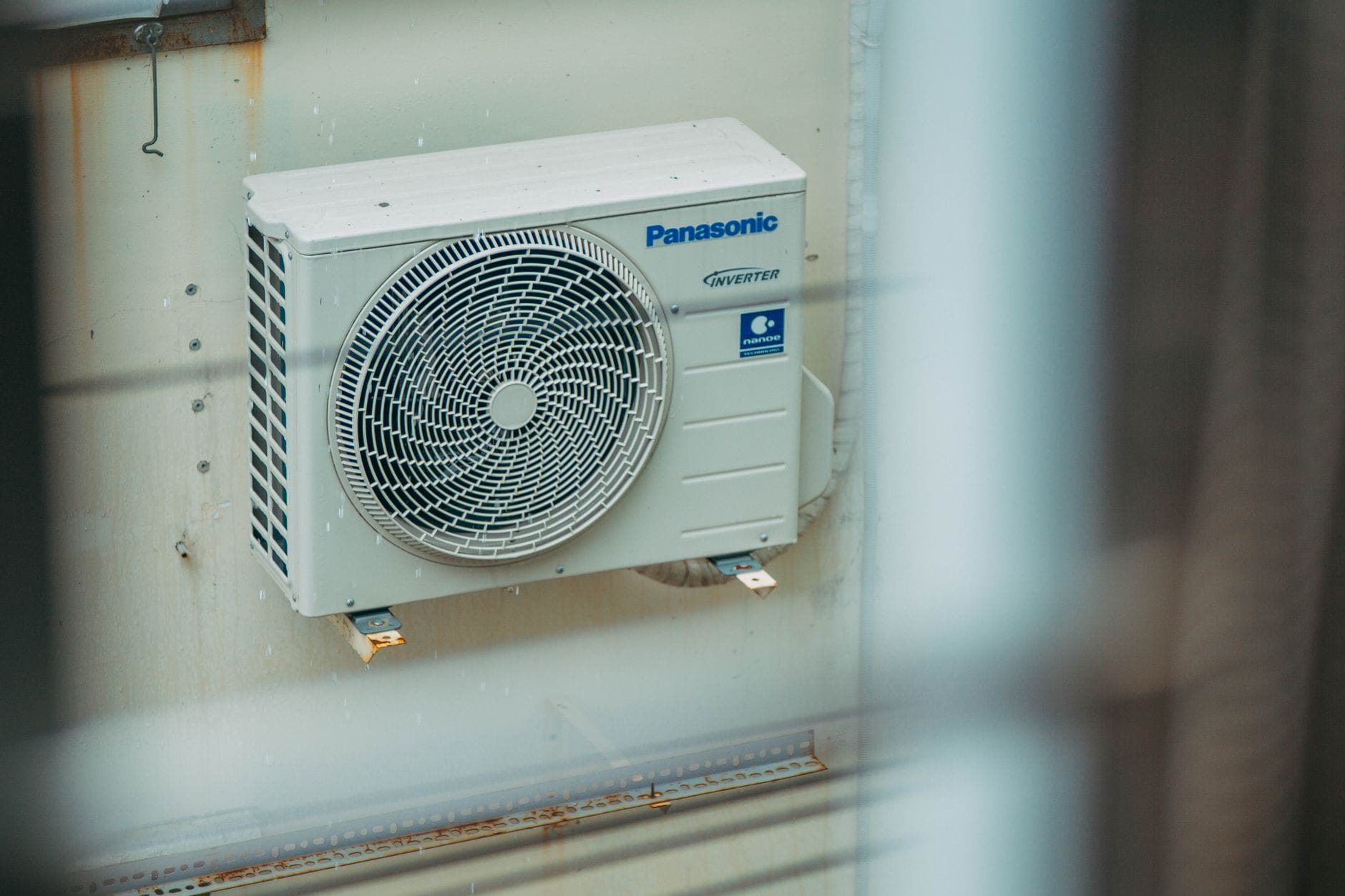
Air-Source Heat Pump Installation
40-500 kW thermal. £60,000-£600,000. 8-year payback.
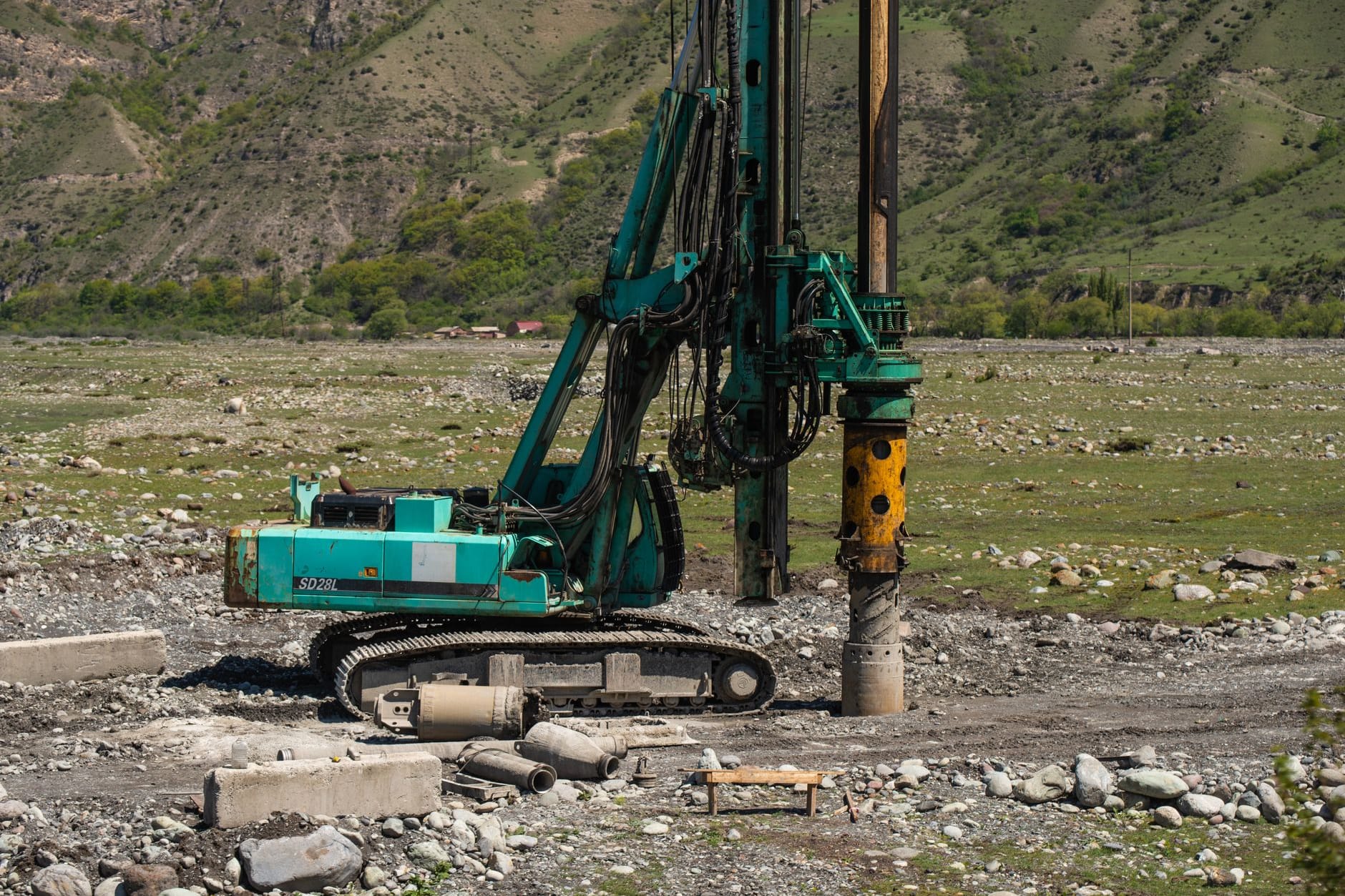
Ground-Source Heat Pump Installation
50-1,000 kW thermal. £150,000-£2,000,000+. 11-year payback.
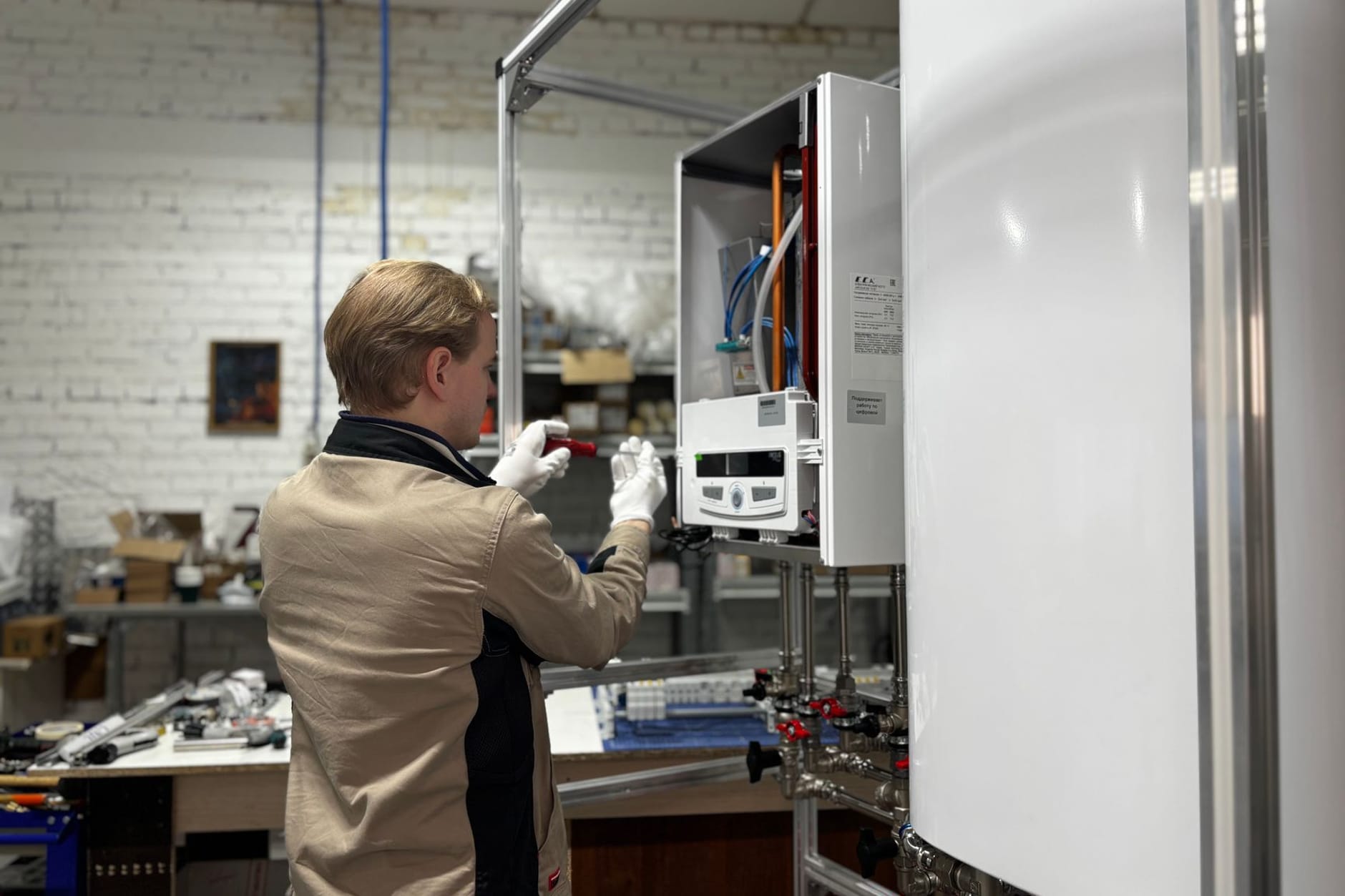
Hybrid & Boiler-Replacement Installation
60-400 kW heat pump + retained or new peaking boiler. £70,000-£500,000. 7-year payback.
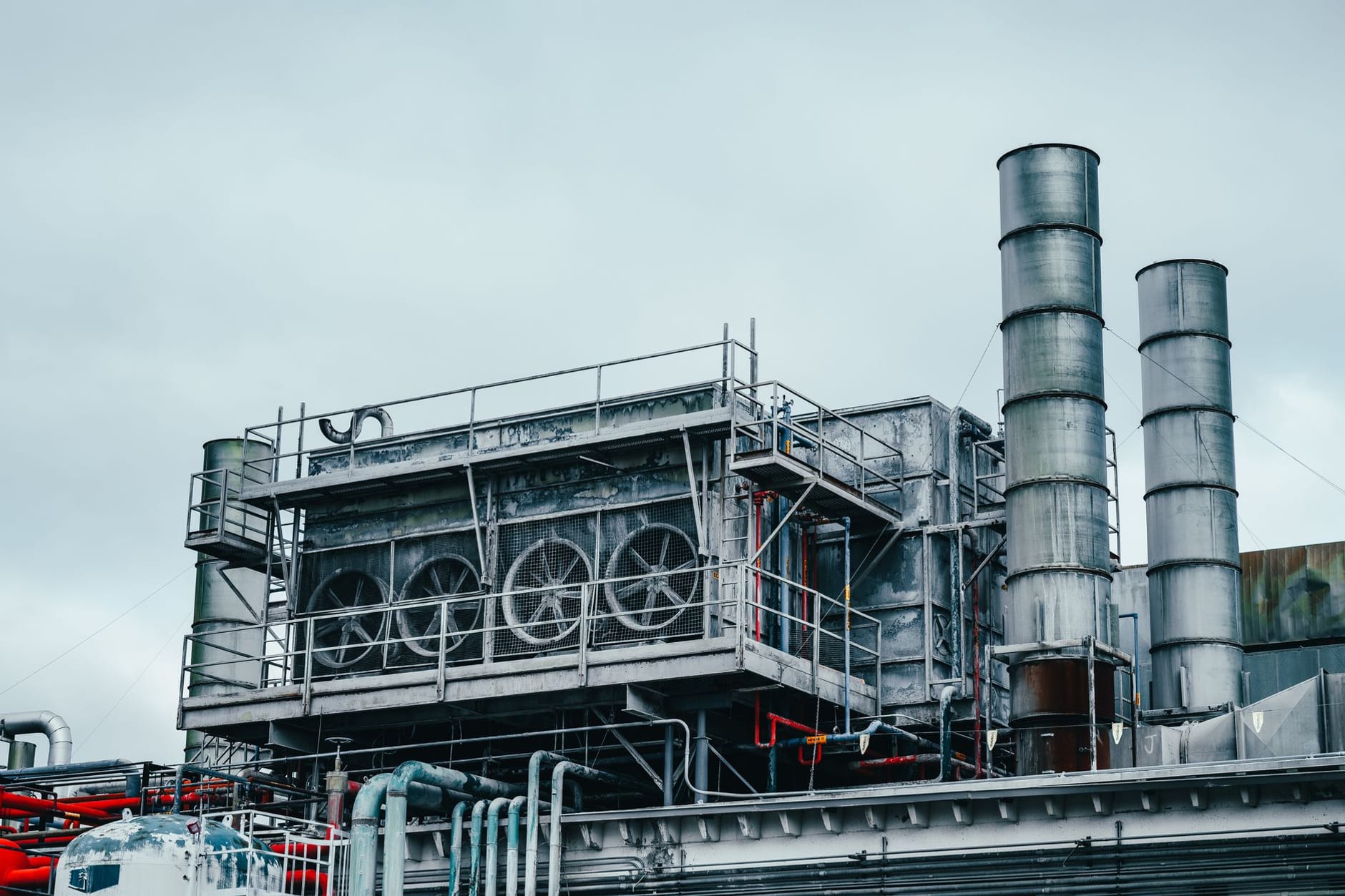
High-Temperature & Process Heat Pump Installation
100 kW-2 MW+ thermal. £200,000-£3,000,000+. 9-year payback.
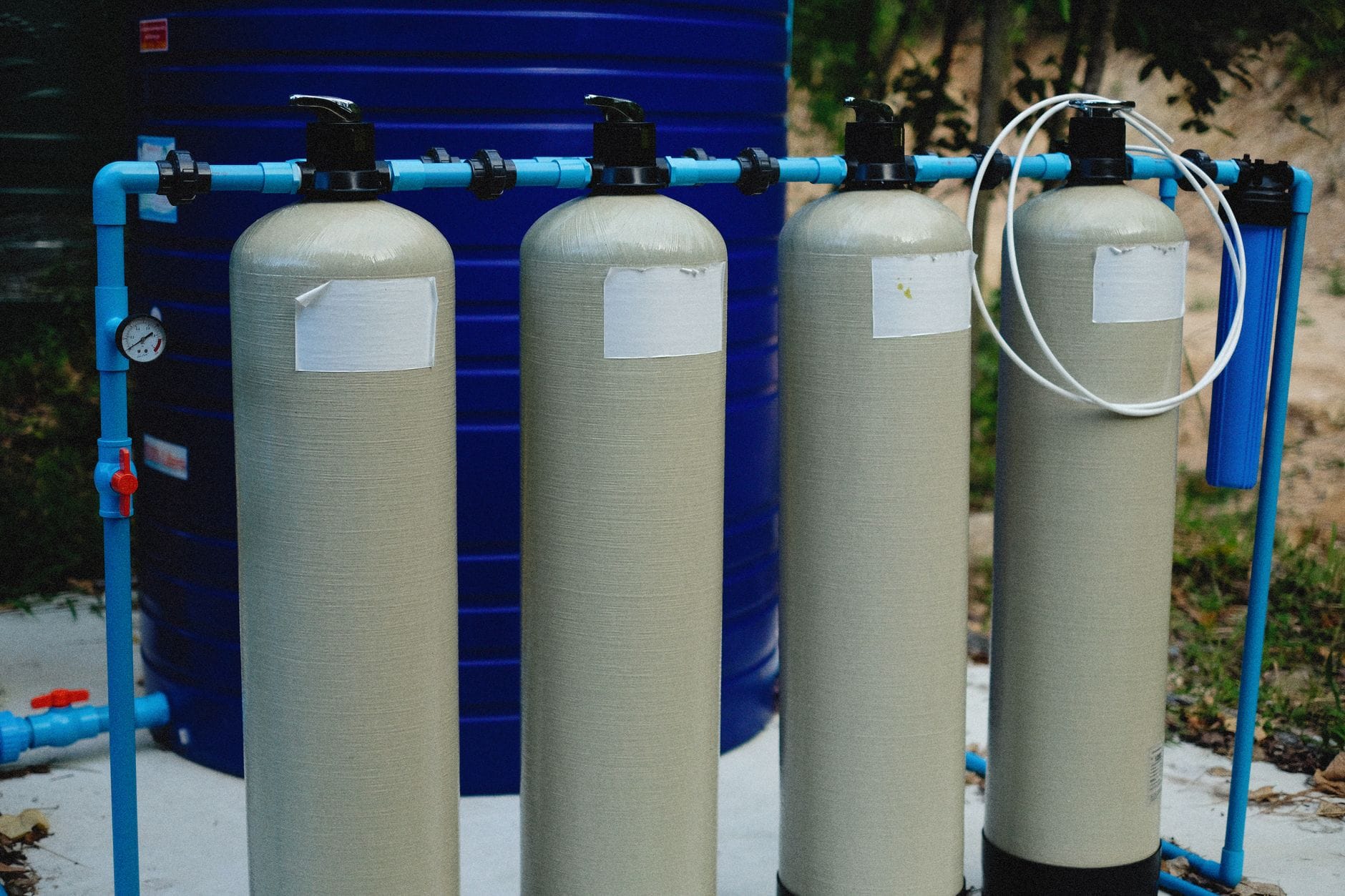
Water-Source Heat Pump Installation
100 kW-5 MW+ thermal. £300,000-£5,000,000+. 12-year payback.
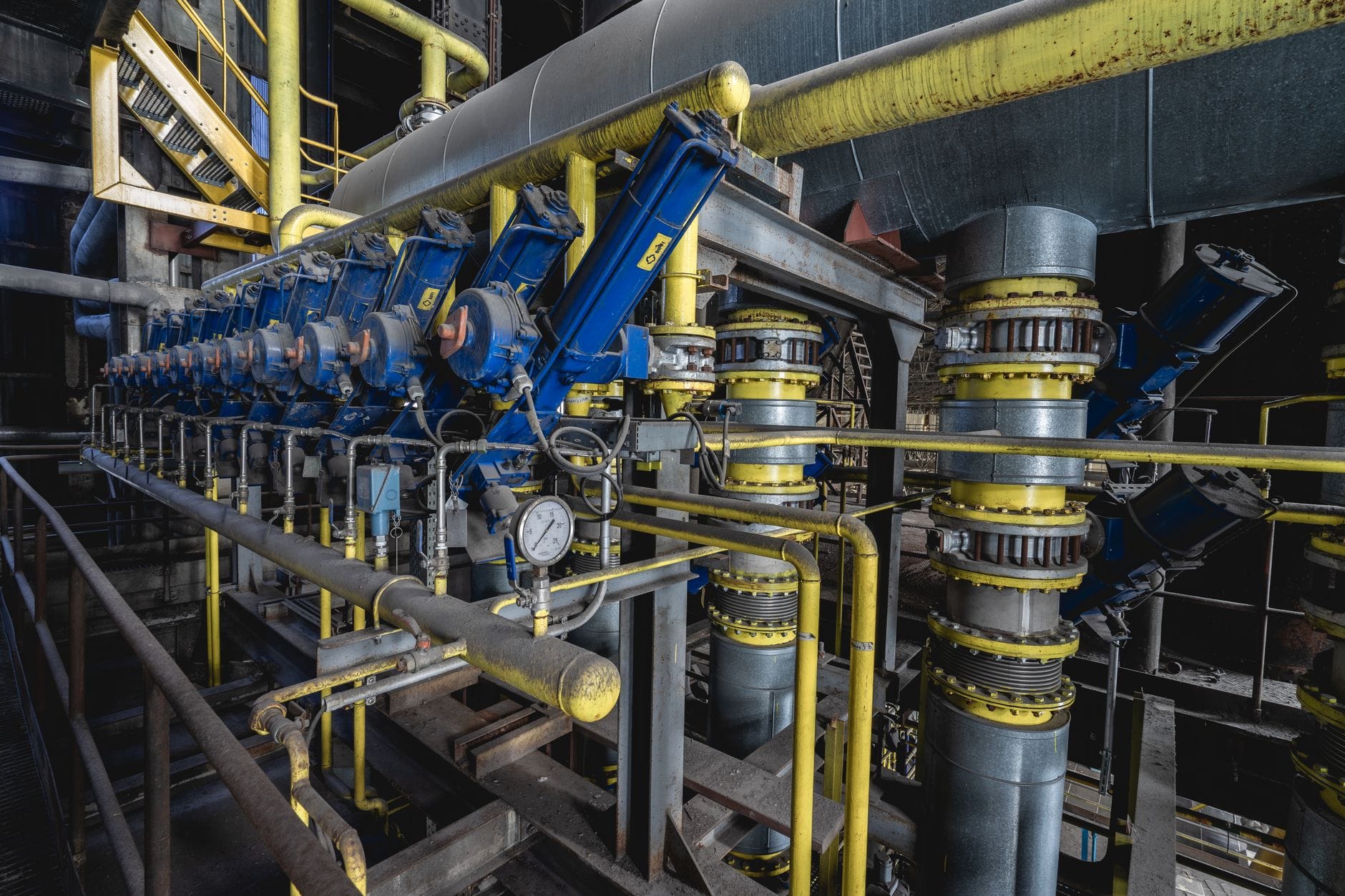
Heat Network & Energy Centre Installation
500 kW-10 MW+ thermal. £1,000,000-£20,000,000+. 14-year payback.
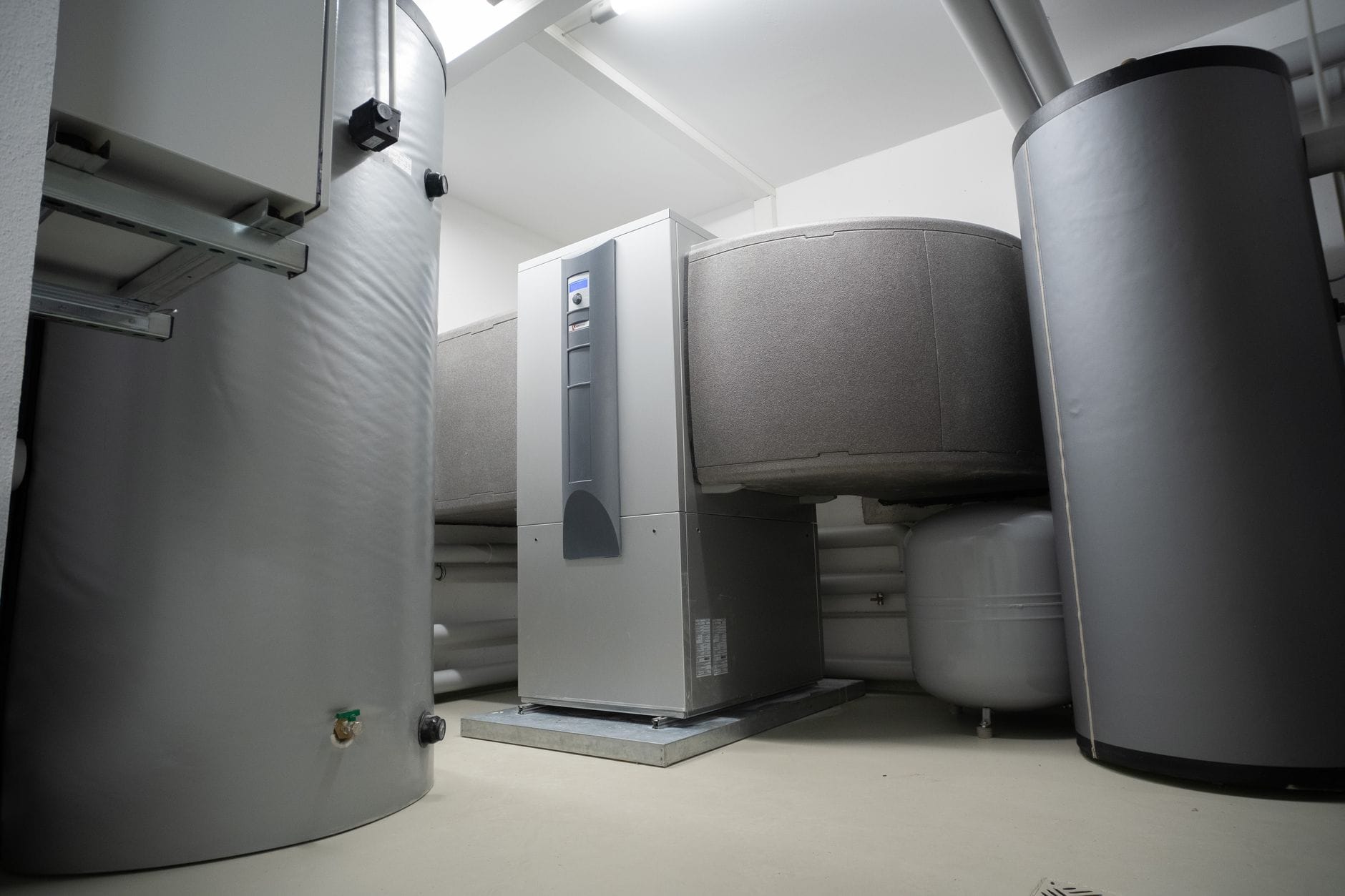
180 kW air-source install at a Yorkshire care home, no lost heat
A 70-bed care home ran a pair of ageing gas boilers nearing failure, with a year-round heating and hot-water demand it could not risk losing for a day. The brief was to decarbonise heat without a winter shutdown and without re-emittering the whole building.
The commercial case, honestly
An installed heat pump is owned plant, and a hedge against gas
A correctly engineered install is what turns the case into cash. Heat-pump plant sits on your balance sheet: because it commonly forms an integral feature of the building it falls in the special-rate pool, so the primary tax lever is the Annual Investment Allowance, 100% relief on up to £1m of qualifying spend a year (not full expensing). A commercial air-source install typically runs £60,000-£600,000; hybrid boiler-replacement £70,000-£500,000; ground-source £150,000-£2m+. The running-cost case is decided by the SCOP, which is why we design for the lowest workable flow temperature and model it against your real consumption.
Running cost, on a real SCOP
Electricity costs more per unit than gas, but a well-designed system delivers 3-4 units of heat per unit of electricity. We model running cost from your actual consumption and electricity tariff, at a low flow temperature, so the numbers are honest before you spend.
Why start the survey now
The DNO supply upgrade, where one is needed, is often the longest-lead item, and grant windows (PSDS, IETF) have fixed deadlines. Starting the survey and the connection conversation early is what keeps a funded scheme deliverable.
What you're covered by
An itemised, fixed-price proposal, a 10-year insurance-backed workmanship warranty, a witnessed commissioning pack proving the SCOP, and a planned O&M regime. No-obligation feasibility, and we will tell you honestly if your building does not yet suit a heat pump.
Specialist heat-pump installer vs a general heating contractor
| Specialist installer (us) MCS, F-Gas, BS EN 14825 | General heating contractor Broad remit, boiler-focused | Equipment supplier only Sells the kit, not the install | |
|---|---|---|---|
| Heat-loss survey & 12-month data | Sometimes | ||
| Flow-temperature & emitter survey | |||
| Confirms DNO supply capacity | Sometimes | ||
| BS 4142 acoustic assessment | |||
| F-Gas certified refrigerant work | Sometimes | ||
| Phased cutover, boiler kept live | Sometimes | ||
| Witnessed commissioning to BS EN 14825 |
Where we install
Commercial heat pump installation across the UK. Each area page carries the local DNO for the electrical supply, the building stock, and the council net-zero target.
London
Greater London. 8,908,081 population. Greater London Authority.
Birmingham
West Midlands. 1,141,816 population. Birmingham City Council.
Leeds
West Yorkshire. 793,139 population. Leeds City Council.
Sheffield
South Yorkshire. 584,853 population. Sheffield City Council.
Manchester
Greater Manchester. 568,996 population. Manchester City Council.
Bradford
West Yorkshire. 546,412 population. Bradford Council.
Installation questions we hear most
Straight answers on timelines, emitters, electrical supply, acoustic and commissioning — the things that actually decide a heat-pump project.
How long does a commercial heat pump installation take?
An air-source retrofit is typically 4-12 weeks on site once design and any DNO supply work are agreed, and the live boiler cutover is usually a matter of hours. Ground-source and water-source take longer because of drilling, ground works and permits, often several months. Industrial, process and heat-network schemes run to 12 months or more including design, planning and grid works. The DNO supply upgrade, where one is needed, is frequently the longest-lead item, which is why we start it at feasibility rather than install week.
Do we have to shut the building down or lose heat during the install?
No. We plan the changeover around your operating calendar, typically spring or autumn, and for a hybrid or phased design the existing boiler stays live as backup right through commissioning, so you're never without heat. Air-source plant is largely pre-assembled, so the live cutover is a matter of hours. Every tie-in is method-statemented and agreed with you before we mobilise.
Will we have to replace all our radiators and pipework?
Often not, and we survey your emitters before we design anything, so you know for certain. Many commercial systems run a heat pump at 50-55 C with selective emitter upgrades rather than a full strip-out. Where high flow temperatures are genuinely needed, a high-temperature heat pump (70 C+) or a hybrid design with a peaking boiler avoids re-emittering the whole building while still cutting carbon 70-90%.
How do you size a commercial heat pump?
From a heat-loss survey and at least twelve months of gas or oil consumption, never from floor area. Sizing sets the peak heat load and the flow temperature the emitters allow, because a lower flow temperature lifts the SCOP. Typical commercial air-source systems land between 40 and 500 kW thermal; ground and water-source 50 kW-1 MW+; industrial and heat-network schemes larger again. We specify to BS EN 14825 so quoted performance is comparable across suppliers.
Will our electricity supply cope with the added load?
We check that at survey, before anything is ordered. Large heat pumps add meaningful electrical load, so we confirm your available incoming supply capacity, and where a DNO supply upgrade is needed we start it at feasibility because it's often the longest-lead item. On constrained sites we look at phasing, hybrid designs or demand management to stay within capacity.
Do we need planning permission and an acoustic assessment?
Many commercial air-source installs fall under permitted development, but they're subject to siting and noise limits, so a BS 4142 acoustic assessment is commonly required to show the external plant won't disturb neighbours, and we produce it before the plant is ordered. Listed buildings and conservation areas need consent, and ground-source or water-source schemes may need planning and an Environment Agency permit. We confirm all of this at feasibility.